
Scotland's Awaab's Law: What Landlords and Letting Agents Need to Know Before October 2026
New Scottish regulations set fixed deadlines for investigating and repairing damp and mould. Here's what's changing, when it takes effect, and how to get ahead of it.
Stitchbloc Team
5 min read
Scotland's Awaab's Law: What Landlords and Letting Agents Need to Know Before October 2026
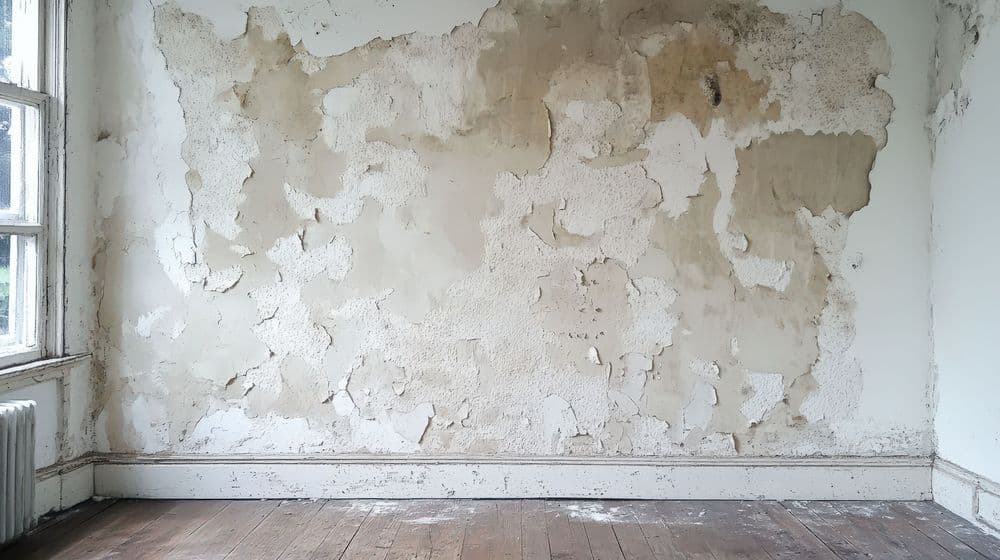
Damp and mould are about to stop being a grey area in Scottish rented housing. From 6 October 2026, landlords and letting agents will be working to fixed statutory deadlines every time damp or mould is reported — with compensation on the table if they miss them.
This is Scotland's version of Awaab's Law, named after Awaab Ishak, a two-year-old who died in 2020 from a respiratory condition caused by prolonged exposure to mould in his family's housing association flat in Rochdale. England introduced its own version in October 2025. Scotland's, laid before Holyrood earlier this year and approved by the Scottish Parliament at the end of March, follows the same principle: clear timescales, clear communication, no more "we'll get to it."
At Stitchbloc, this is exactly the problem we've been building for — so it's worth breaking down what's actually in the regulations, and what landlords and agents should be doing right now to get ready.
What's changing
The Investigation and Commencement of Repair (Scotland) Regulations 2026 amend the existing Repairing Standard to explicitly require that a rented home be "substantially free from damp and mould." That's not new in spirit — landlords have always had a duty to repair — but what's new is the clock.
Once a landlord or agent becomes aware that a property may be affected by damp or mould, three deadlines now apply:
| Duty | Deadline |
|---|---|
| Investigate the report | Within 10 working days |
| Give the tenant a written summary of findings | Within 3 working days of completing the investigation |
| Start any necessary repair work | Within 5 working days of the investigation concluding it's needed |
If a landlord genuinely can't meet a deadline for reasons outside their control, they're not automatically in breach — but they do have to tell the tenant in writing why, give a revised timescale, and take reasonable steps to reduce the impact of the damp or mould in the meantime. The First-tier Tribunal will take compliance with these duties into account, and compensation becomes payable where the timescales aren't met.
The rules apply across both the private rented sector and social housing, covering private tenancies, Scottish secure tenancies, and short Scottish secure tenancies alike.
Why this matters more than it looks
Ten working days sounds workable until you map it against how damp reports actually happen today: a tenant messages on WhatsApp, the message sits in an inbox, someone eventually books a contractor, nobody writes anything down properly, and by the time an inspection happens the "10 working days" is already gone — often before anyone realised the clock had started.
That's the real risk in this legislation. It's not that investigating damp within 10 days is unreasonable. It's that most letting agents and landlords don't currently have a system that tells them when the clock started, tracks whether the written summary went out on time, or produces evidence that repairs began when they say they did. Propertymark has already flagged this to MSPs directly — access to qualified damp surveyors within fixed timescales, supply chain pressure in rural and island areas, and inconsistency in what counts as an acceptable "written summary" are all live concerns going into implementation.
In a dispute, "we definitely looked at it quickly" isn't evidence. A timestamped record is.
Where Stitchbloc fits in
This is the exact gap Stitchbloc was built to close. A few ways the timing lines up with what we're building:
- AI-assisted damp and mould detection from photos. Our model flags damp and mould from tenant-submitted photos and generates a natural-language assessment — which shortens the gap between a report landing and an actual finding, instead of waiting on a manual inspection to even get booked.
- A written record by default, not by effort. Every report, finding, and action gets logged automatically with a timestamp — which is exactly the kind of evidence trail that turns "we responded promptly" from a claim into a fact, and does the heavy lifting toward that 3-day written summary requirement.
- A full audit trail landlords and agents can actually produce. If a case ends up in front of the First-tier Tribunal, having a clean, exportable history of when something was reported, investigated, and actioned is the difference between a five-minute conversation and a genuine dispute. We're not attempting to replace the judgement of a qualified surveyor — the regulations are clear that investigations need a suitably competent person. What we're aiming to remove is the admin lag that eats into those 10 working days before a human ever gets involved.
What to do before October
Whether or not you end up using Stitchbloc, here's what's worth doing now, well ahead of the deadline:
- Audit your reporting channel. If tenants can report damp through WhatsApp, email, a phone call, and a paper form, you have four different places the clock can start ticking without anyone noticing.
- Decide what a "written summary" looks like for your business, and make it repeatable rather than reinvented each time. Propertymark has suggested a standardised form is coming — get ahead of it.
- Check your contractor and surveyor capacity. A 5-working-day commencement window assumes someone is actually available to start the work. This is where rural and island properties are most exposed.
- Start logging now, even informally, so you're not building a compliance history from scratch in October. Scotland's homes are in a genuinely good place overall — the Scottish Government's own figures put around 90% of homes as free from damp and mould. This legislation isn't about a crisis across the board. It's about making sure the remaining cases are treated with the urgency they deserve, and that landlords and agents doing the right thing have a way to prove it.
Stitchbloc is currently in early access for landlords and letting agents across Scotland. If you want to see how AI-assisted damp and mould reporting fits into your existing process ahead of October, get in touch.